Photovoltaic SCADA
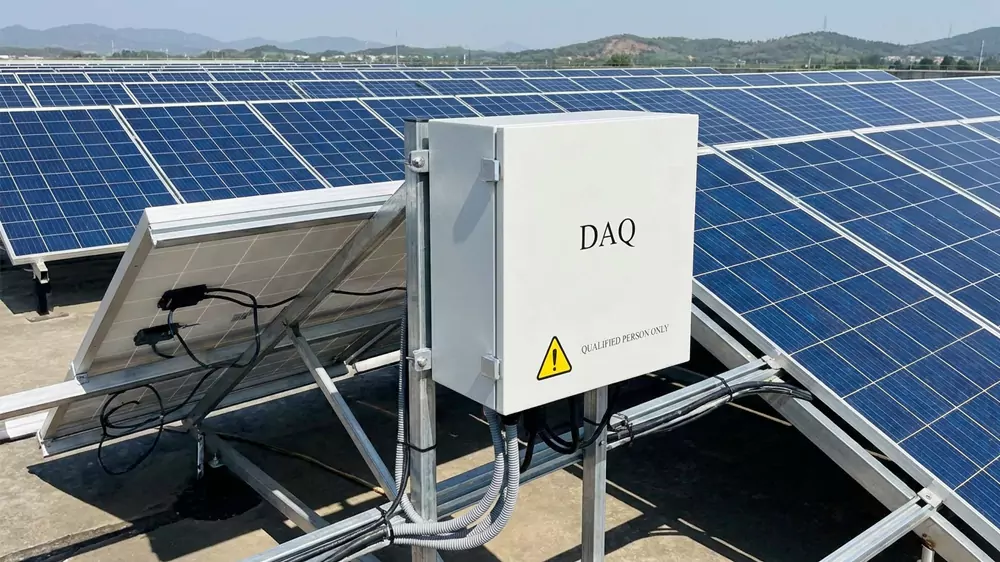
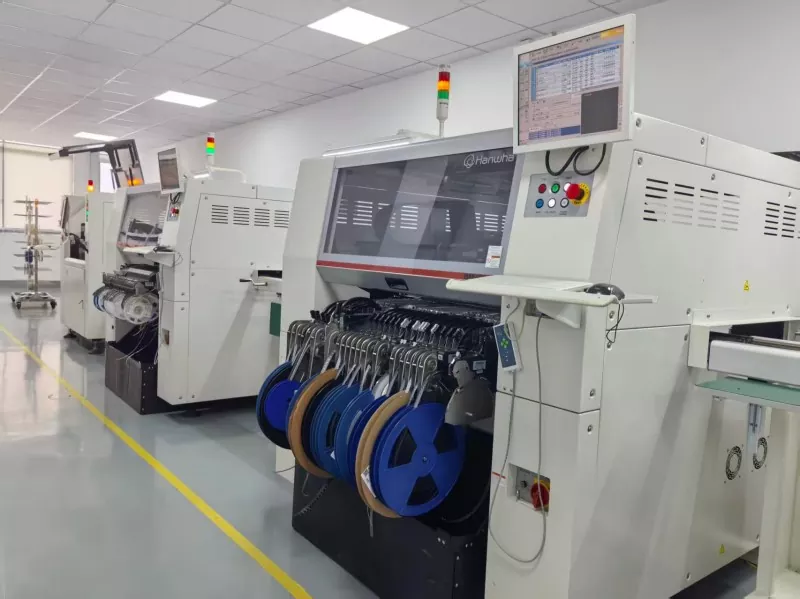
Suzhou Ruitai operates a modern 1,800-square-meter manufacturing and R&D factory, supported by a team of 12 experienced specialists across software engineering, algorithm development, electronics engineering, and structural engineering. Built with advanced communication and networking capabilities, the controller integrates seamlessly with photovoltaic SCADA systems, enabling real-time monitoring, centralized management, and smarter plant operations.
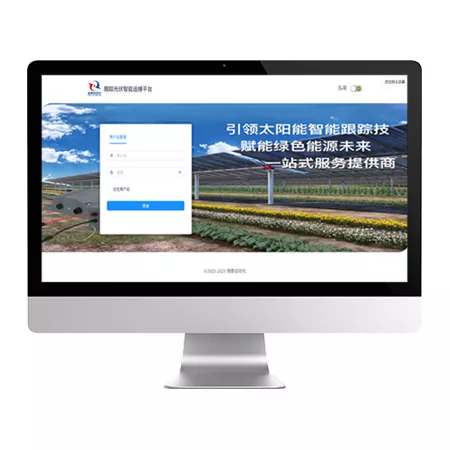
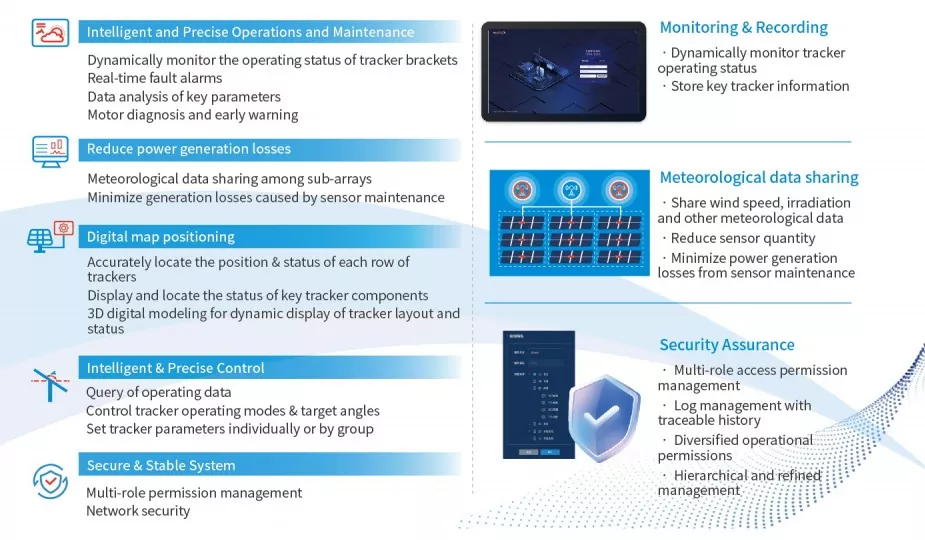
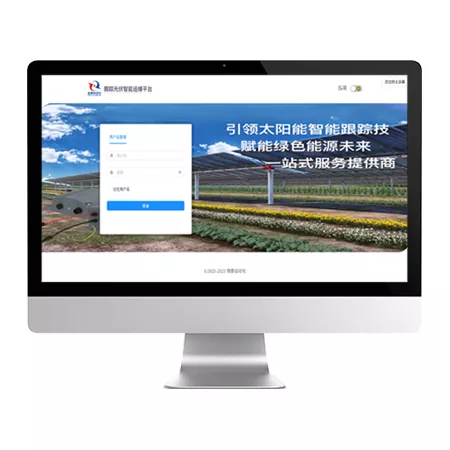
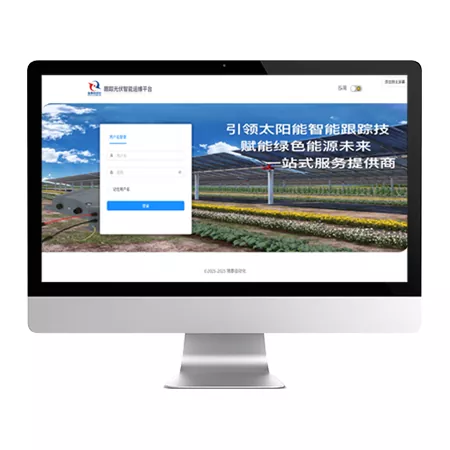
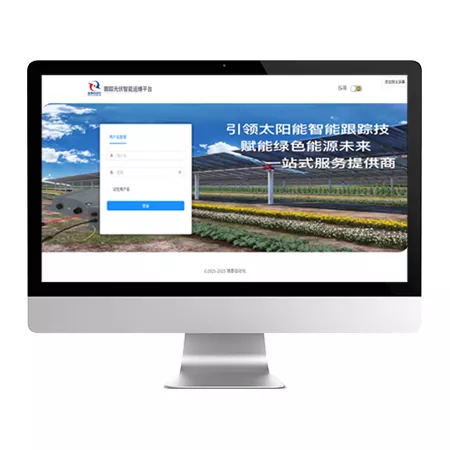
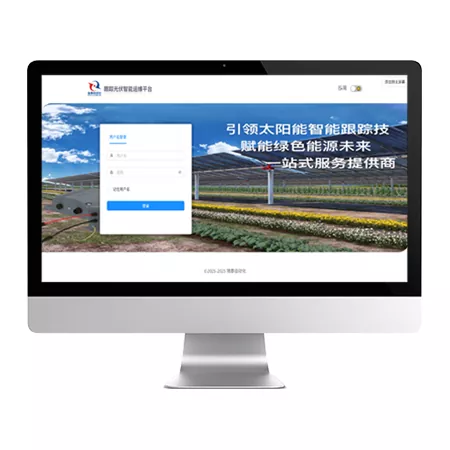
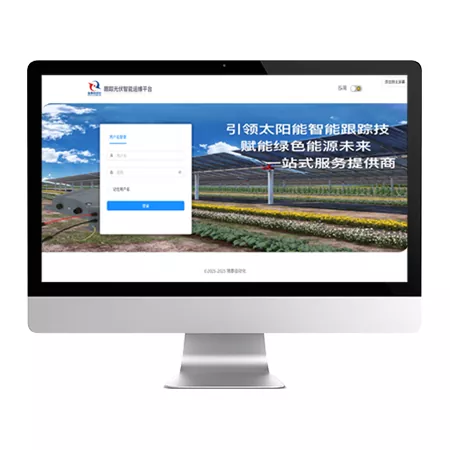
Suzhou Ruitai Photovoltaic SCADA provides real-time monitoring, data collection, fault alerts, and performance analysis, giving operators full visibility into plant operations.
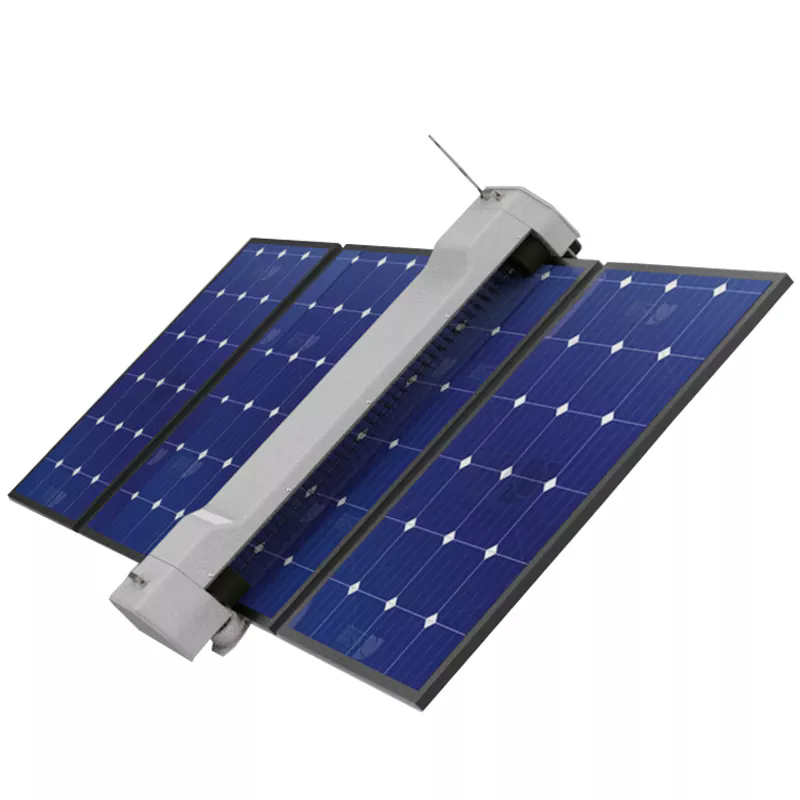
When integrated with Ruitai's intelligent tracker control system, it helps optimize tracker performance under changing weather conditions to improve energy production.
The software also includes multiple protection modes, such as high wind protection, heavy snow protection, and limit protection, helping ensure safe and reliable plant operation in a wide range of environments.
What Are the Features of Photovoltaic SCADA Platform?
1. Flexible Communication Options
The photovoltaic SCADA platform supports RS485 (Modbus RTU) and Ethernet (TCP/IP) as standard, with optional 4G/5G, LoRa, and NB-IoT wireless communication.
This ensures reliable connectivity across remote locations and complex site conditions.
2. Real-Time Monitoring and Visualization
Operators can monitor tracker status, tracking history, power generation data, and system alarms in real time through the SCADA platform, providing complete visibility into plant operations.
3. Remote Control and Predictive Maintenance
The platform supports remote control, batch parameter configuration, and over-the-air (OTA) firmware upgrades. Combined with equipment health monitoring and early warning functions, it can detect potential issues such as motor overloads and communication failures in advance, helping reduce maintenance costs while improving plant reliability and safety.
Platform Advantages
Flexible Deployment: Available through private cloud, public cloud, or on-premises server deployment to meet different project requirements.
Multi-Platform Access: Accessible through web browsers, iOS, and Android devices for convenient monitoring and management anytime, anywhere.
Reliable Data Storage: Supports long-term storage and secure archiving of large volumes of historical data.
Broad Compatibility: Smoothly integrates with leading inverter, meter, and weather station brands.
Global Project Experience: Ruitai Photovoltaic SCADA has been successfully deployed across Asia, Africa, Europe, South America and other regions, with extensive experience in delivering large-scale solar projects.
Consistent Quality: End-to-end production management ensures reliable product quality and consistency across every order.
Proven Energy Gains: Field-proven to increase energy production by 15%–30%, helping maximize plant performance and solar energy utilization.
How Are Alarms Classified in Photovoltaic SCADA Systems?
Alarms in Photovoltaic SCADA systems are categorized into three priority levels based on severity:
1. High Priority
Examples include imminent equipment failure, widespread loss of connectivity, or significant deviation from voltage/power limits mandated by grid dispatch.
These alarms require immediate intervention by operations and maintenance personnel to prevent system downtime or regulatory penalties.
2. Medium Priority
These indicate operational anomalies that are not critical but require prompt attention, such as an inverter overheating or intermittent communication issues.
3. Low Priority
These are typically informational notifications or preventive maintenance alerts, such as a need to clean equipment filters or low battery levels.
The system supports pushing alarms to designated personnel via SMS, email, and other channels, ensuring that critical events are not overlooked.
FAQ
Q: How does the photovoltaic SCADA system handle changing weather conditions and equipment aging?
A: The system uses advanced AI algorithms that continuously learn from historical and real-time operating data. As weather conditions change or equipment performance naturally declines over time, it can identify potential risks early and help prevent issues before they affect plant operations.
Q: How does AI improve overall plant efficiency?
A: The system continuously adjusts operating settings based on real-time conditions such as sunlight intensity and temperature, helping the plant maintain optimal performance and maximize energy production.
Q: How does the AI system improve plant operations and maintenance?
A: The AI system helps move plant management from reactive response to proactive protection. By identifying potential issues early and supporting smarter decision-making, it helps improve both plant safety and energy production.
Stuur onderzoek
Contact informatie
-
Adres
Gebouw 10, Jiangsu Hainde Hightech Industriepark, No. 70 Yaofeng West Road, Mudu Town, Wuzhong District, Suzhou City, Jiangsu Province, China
-
Tel
-
E-mail
Stuur ons uw projectgegevens
Ontvang binnen 24 uur een offerte op maat
- ● Fabrieksgerichte prijzen:Geen tussenpersonen: u krijgt concurrerende kosten rechtstreeks van onze fabriek in Suzhou.
- ● Snelle reactie:Ons technische team antwoordt binnen 24 uur met de eerste aanbevelingen.
- ● Aangepaste oplossingen:We stemmen TCU-strategieën, communicatie-instellingen en SCADA-dashboards af op uw behoeften.
- ● Wereldwijde ondersteuning:Vanaf de inbedrijfstelling tot de after-sales staan onze technici wereldwijd klaar om u te helpen.
Nieuwsaanbevelingen