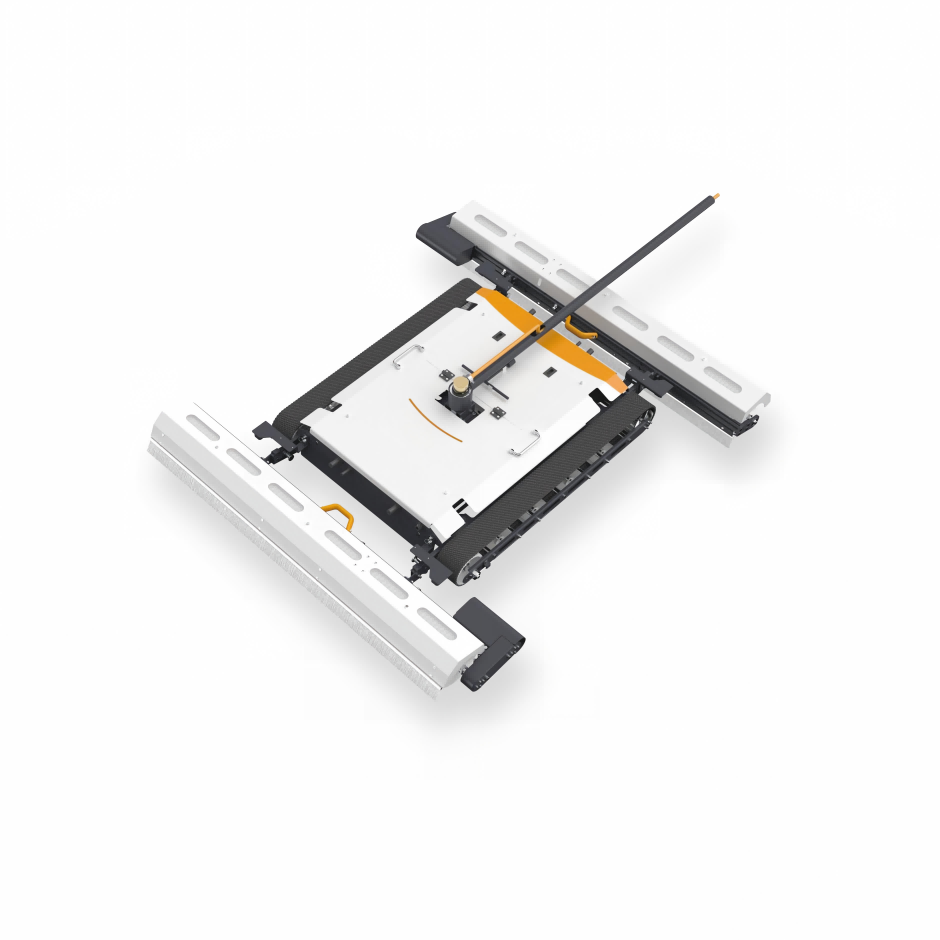
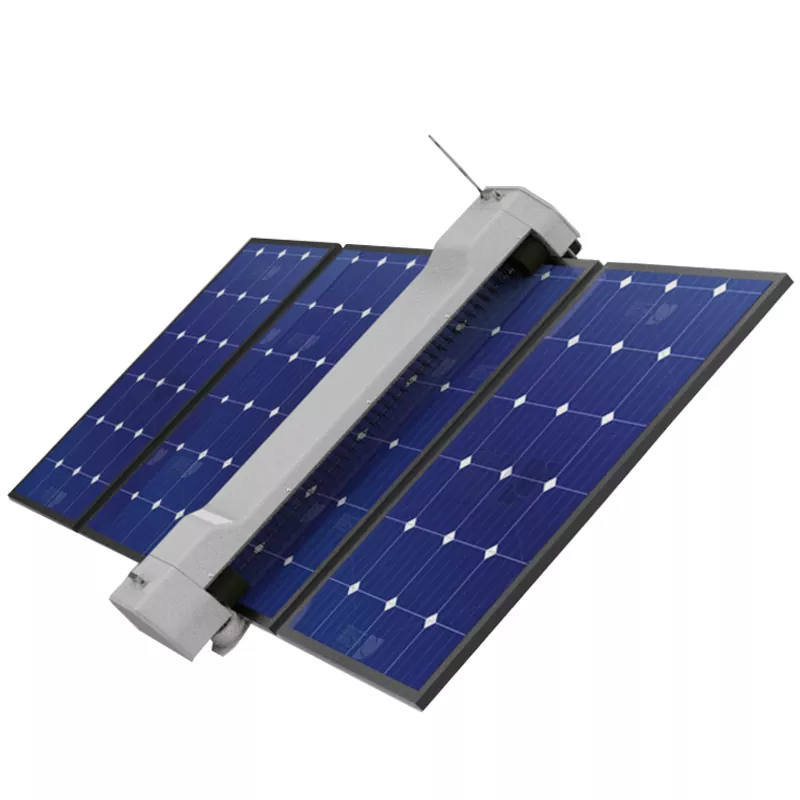
PV Module Cleaning Robot
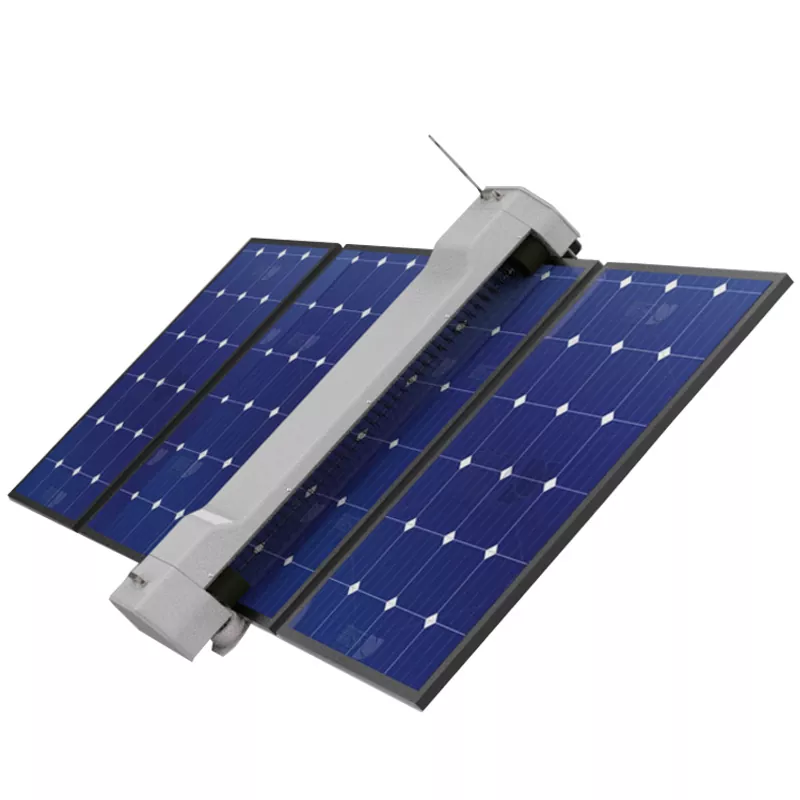
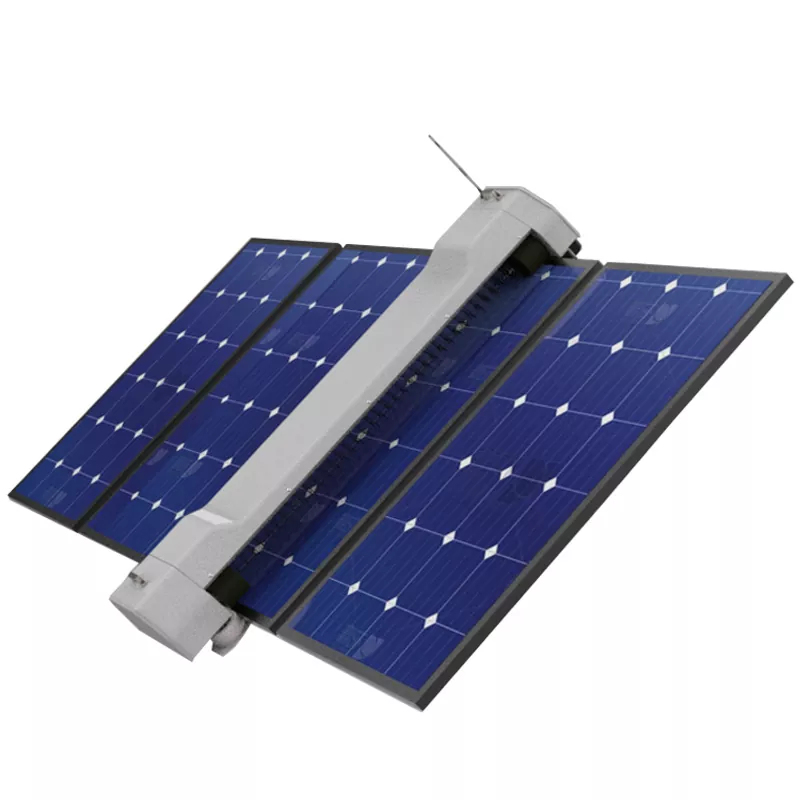
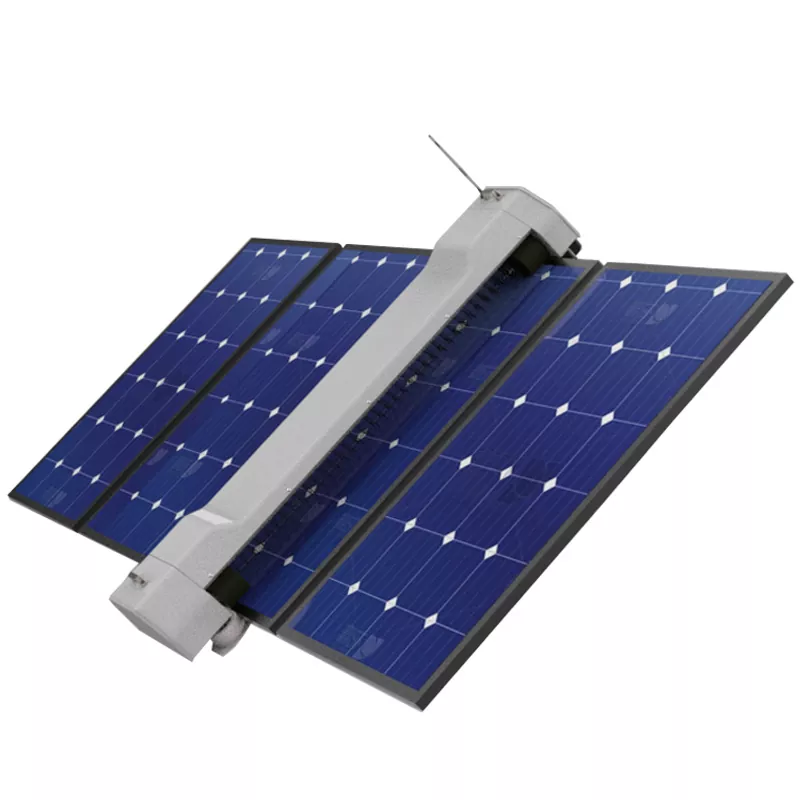
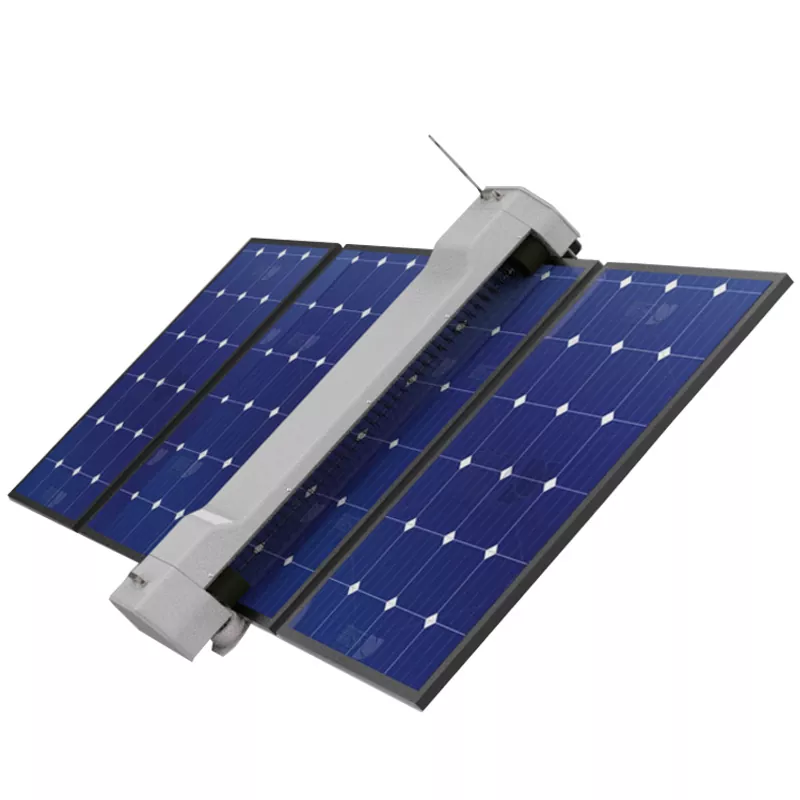
Neem contact op met Ruitai voor een op maat gemaakte oplossing van de PV-modulereinigingsrobot, ontworpen voor complexe PV-installatieomgevingen. Het gebruikt het buitenframe van PV-modules als spoor om waterloze stofverwijdering te bereiken en kan gemakkelijk verschillende obstakels passeren. De apparatuur combineert waterloze stofverwijdering met AI-platformondersteuning om de bedrijfsvoering en het onderhoudsbeheer te optimaliseren, wat resulteert in een hogere efficiëntie.
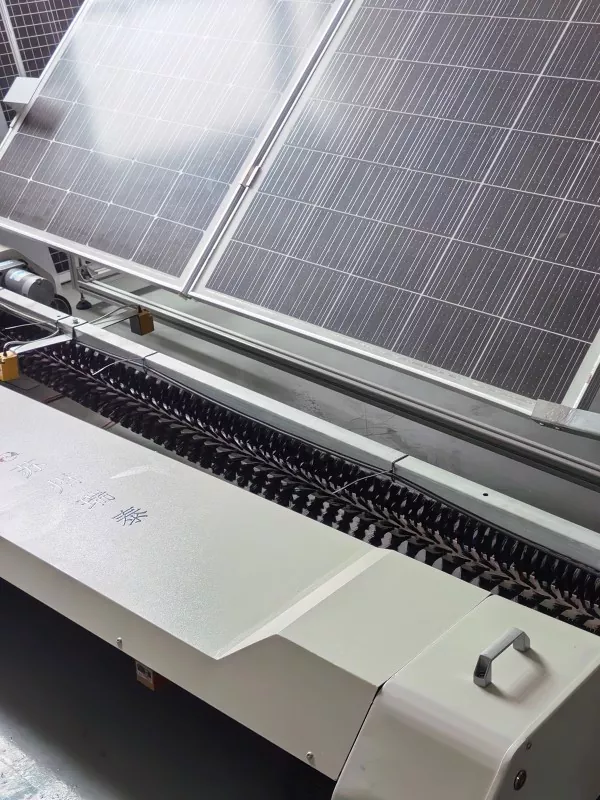
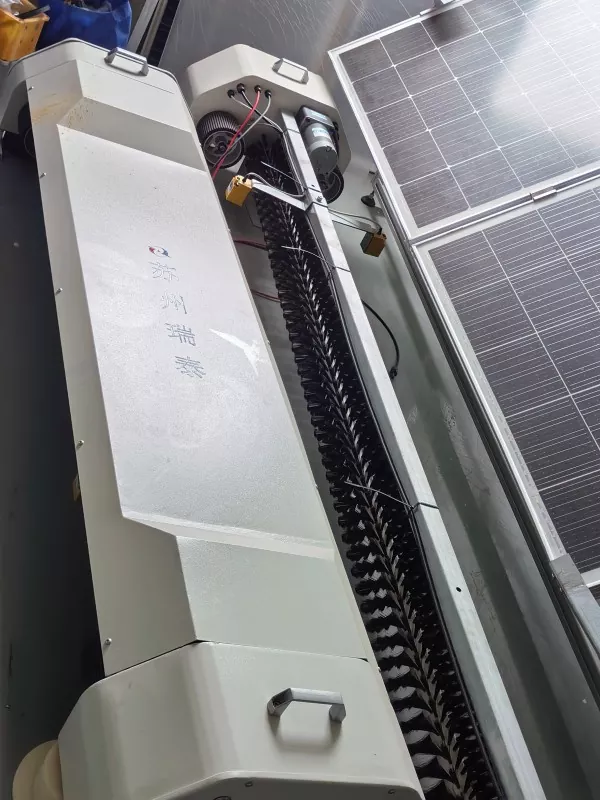
Ruitai is the professional manufacturer of PV Module Cleaning Robot. This equipment is designed with strong passability, allowing it to handle horizontal and vertical obstacles, slope climbing, and complex operating conditions with ease.
With high cleaning efficiency and a dust removal rate of up to 99.5%, the product is highly favored by the market.
At the same time, the AI platform provides centralized scheduling and intelligent support. It can quickly identify plant faults, guide O&M teams to carry out targeted maintenance, and further improve overall operation and maintenance efficiency.
Belangrijkste hoogtepunten
1. 99.5% Dust Removal Efficiency
Common Industry Practice: Traditional cleaning vehicles are usually track-based or wheel-based. They can easily get stuck or put pressure on PV modules when facing module edge misalignment, height differences, or complex layouts.
Many also rely on water cleaning, which limits their use in water-scarce regions.
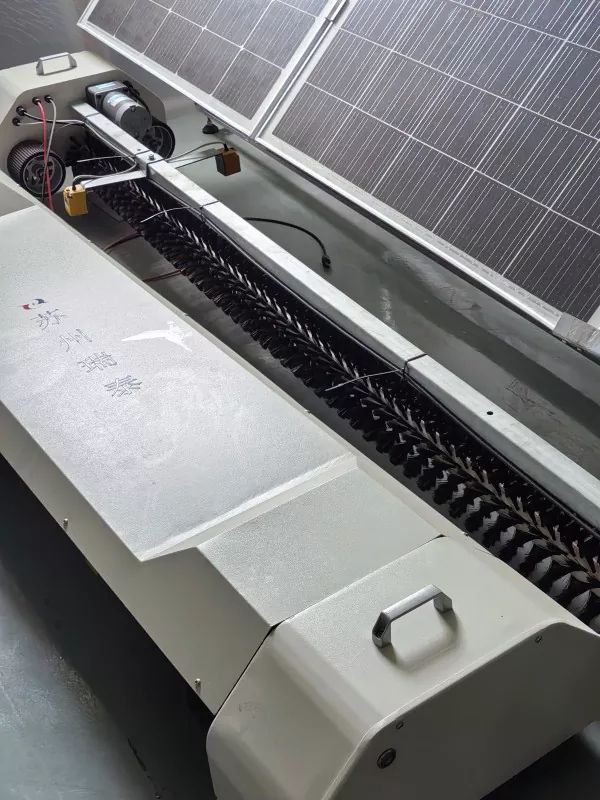
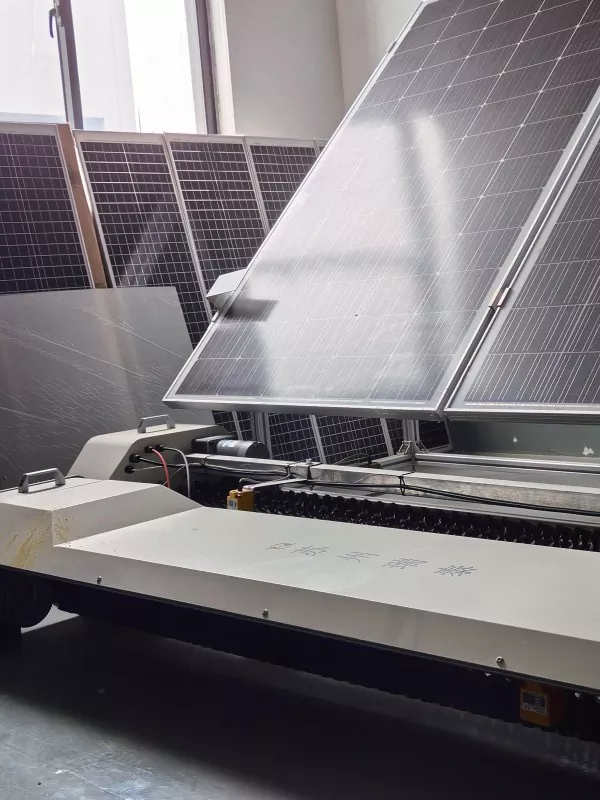
Onze productsterkte: Ruitai's PV Module Cleaning Robot uses the outer frame of PV modules as its operating track. Through the coordinated work of the precision control system, walking mechanism, and high-speed rotating brushes, it achieves purely physical waterless dust removal.
Its high-acceptable design allows smooth horizontal and vertical obstacle crossing, strong climbing ability, and stable operation across complex module layouts.
With a dust removal rate of up to 99.5%, the robot expands the cleaning coverage of each unit and delivers efficient cleaning with fewer blind spots.
2. AI Platform Centralized Scheduling
Common Industry Practice: Traditional cleaning equipment mainly performs cleaning tasks, while equipment status still depends heavily on manual inspection.
When a fault or abnormal operation occurs, it is often discovered only after staff arrive on site, which can delay repair and affect plant performance.
Ruitai Intelligent Solution: Ruitai's solution is supported by an AI-based O&M and control platform that works as the central management system behind every cleaning robot.
The platform integrates robot operation management, power plant O&M, and a knowledge base. It supports parameter configuration, status monitoring, weather linkage, and report analysis.
It can quickly diagnose plant faults and guide O&M personnel to carry out precise maintenance, making every cleaning operation data-driven and well-supported.
Productparameter
|
Product Model |
RT-PVCR-01 |
Operating Temperature Range |
-30℃~60℃ |
|
Operating Voltage |
Gelijkstroom 24V |
Equipment Weight |
Approximately 50KG |
|
Control Method |
Manual / Automatic / Remote Control |
Operating Noise |
<30dB |
|
Installation and Movement |
Span over the top of PV modules |
Operating Speed |
12-20m/min |
|
Afmetingen |
(500 + W)mm × 580mm × 300mm (Adjustable) |
Control Method |
No by-products, no toxic or harmful substances generated |
|
Protection Rating |
IP65 |
||
Proven Quality Across Real Project Sites
True product performance is proven in demanding environments. Our PV Module Cleaning Robot has been tested and applied across multiple regions with different climate conditions, giving customers confidence through real-world results.
Wide Environmental Adaptability: The robot operates reliably in humid and rainy areas, dry and sandy regions, and cold high-altitude environments.
Strong Market Recognition: With its excellent waterless dust removal capability and AI-based intelligent management advantages, the product has been highly favored by the market. Orders have already been scheduled until the middle of next year, and the production line is running at full capacity to meet the rapidly growing demand.
Lower Costs and Higher Efficiency: Combined with the precise strategy of the AI platform, the system greatly reduces unnecessary cleaning frequency and the safety risks of manual high-altitude work, achieving the core goals of cleaner modules, better O&M, and higher power generation.
Usage Recommendations
1. Scheduling Cleaning Operations
It is recommended to schedule PV module cleaning operations for the early morning, late afternoon, or night. Avoiding midday peak temperatures and peak power generation hours helps protect the modules while maximizing energy yield.
2. Robot Quantity Configuration
The number of robots required should be calculated based on the power plant's scale and cleaning cycle requirements. You can provide project details, and Ruitai’s professional team will offer configuration recommendations.
As a general guideline, a single robot has a daily cleaning capacity of 500 to 1,500 modules; you can use this figure to make a preliminary estimate of the number of units needed.
3. Charging and Storage Station Planning
It is recommended to designate fixed locations for charging and storage at the edge of the array to prevent the robots from being constantly exposed to the elements (sun and rain).
4. Communication Coverage Verification
Before deploying the robots, verify that there is adequate 4G/5G or LoRa signal coverage at the site to ensure reliable remote monitoring and command transmission.
Why Choose This Solution?
This intelligent PV cleaning robot combines advanced mechanical design with AI and IoT technology to deliver smarter, safer, and more efficient plant O&M. More than just a waterless cleaning robot, it works as an intelligent operation assistant for your PV plant, helping reduce manual work, improve cleaning efficiency, and support long-term growth in power generation revenue.
Customization Process
Step 1: Requirements Assessment & Technical Research
When customizing a PV module cleaning robot, Ruitai’s engineering team will engage in in-depth discussions with you. Please provide key data regarding the power plant:
Installatieomgeving: Geographic location, meteorological conditions (temperature, humidity, wind speed, dust/sand levels), and PV panel tilt angle and row spacing.
Modulespecificaties: Panel dimensions, frame material, gap spacing, and height differentials between panels.
Functional Requirements: Control modes (fully automatic/wireless remote), cleaning modes (waterless dry cleaning/wet spray cleaning), communication methods (4G/5G/LoRa/Zigbee), and SCADA system integration requirements.
Step 2: Solution Design & Evaluation
Reactietijd: Within 2–3 working days.
Based on the collected data, Ruitai’s technical team will rapidly generate a tailored solution for you. This includes structural and hardware design, control system and algorithm customization, as well as 3D model drawings, detailed technical specifications, project ROI estimates, and price quotations.
Step 3: Prototype Production & Testing
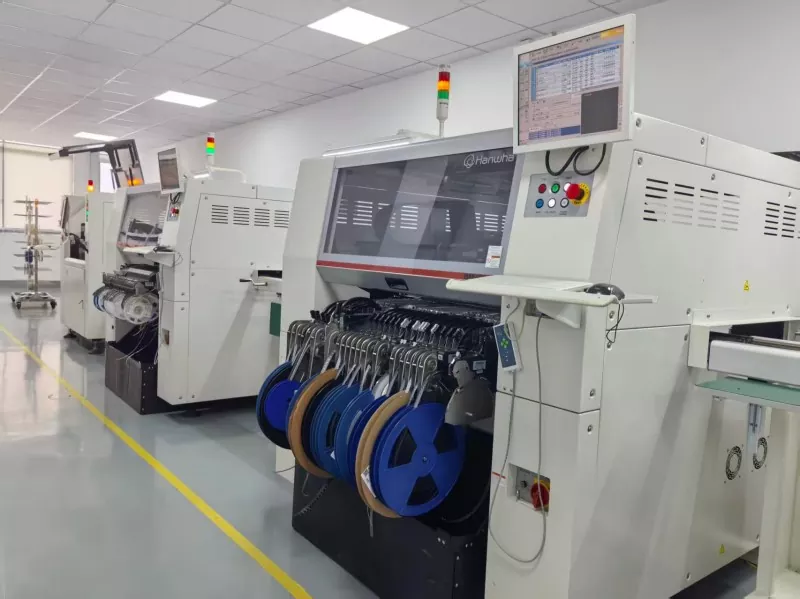
Our factory is equipped with Hanwha high-speed SMT mounters, along with JT reflow and wave soldering equipment, enabling rapid prototyping and quality inspection.
Testbereik: Operational simulation (-30°C to 60°C), IP65 dust and water resistance testing, anti-drop sensor testing, obstacle crossing and slope climbing tests, and brush rotation speed/torque load testing.
Upon completion, we will send you the prototype test report and, if necessary, provide on-site or video-based live demonstrations.
Step 4: Mass Production & Quality Control
Following prototype approval, the project enters the mass production phase. We strictly implement end-to-end quality control processes—including IQC (Incoming), IPQC (In-Process), and OQC (Outgoing)—to ensure product consistency across batches.
Step 5: Packaging, Container Consolidation & Delivery
Verpakking: High-density protective cushioning materials, reinforced wooden crates, and moisture-proof packaging.
Logistiek: Flexible arrangements with support for container consolidation.
Step 6: On-site Commissioning & After-Sales Support
Remote/On-site Installation Guidance: We can dispatch engineers with over 5 years of project experience to the site for installation, commissioning, and training, or provide 24/7 remote guidance via the cloud.
Spare Parts and OTA Support: Long-term, standalone supply of genuine spare parts packages, alongside remote OTA firmware updates and algorithm upgrades for the software system.
Stuur onderzoek
Contact informatie
-
Adres
Gebouw 10, Jiangsu Hainde Hightech Industriepark, No. 70 Yaofeng West Road, Mudu Town, Wuzhong District, Suzhou City, Jiangsu Province, China
-
Tel
-
E-mail
Stuur ons uw projectgegevens
Ontvang binnen 24 uur een offerte op maat
- ● Fabrieksgerichte prijzen:Geen tussenpersonen: u krijgt concurrerende kosten rechtstreeks van onze fabriek in Suzhou.
- ● Snelle reactie:Ons technische team antwoordt binnen 24 uur met de eerste aanbevelingen.
- ● Aangepaste oplossingen:We stemmen TCU-strategieën, communicatie-instellingen en SCADA-dashboards af op uw behoeften.
- ● Wereldwijde ondersteuning:Vanaf de inbedrijfstelling tot de after-sales staan onze technici wereldwijd klaar om u te helpen.
gerelateerde producten
Nieuwsaanbevelingen